YouTube Growth
How to Get Your First 100 YouTube Subscribers
Getting your first 100 YouTube subscribers puts you in the top 25% of all channels. Here is how to get there through search, discovery, and the right content strategy.
By Crescivo Team • July 7, 2026 • 10 min read
Table of contents
Getting your first 100 YouTube subscribers is harder than most people expect. 100 subscribers puts you in the top 25% of all channels on the platform, which tells you something important: a lot of channels never get there.
A lot of creators think posting more videos is the answer. The problem is that posting is not the hard part. Creating content people actually want to watch, and making sure YouTube knows who to show it to, is what moves the needle.
Find Your Biggest YouTube Bottleneck
Most creators guess what to fix. Run the free Channel Bottleneck Calculator and discover the one metric holding back your growth.
Run Free AnalysisHow people find your videos
There are two ways someone discovers your content on YouTube, and understanding both changes how you approach every video.
The first is active search. A viewer types something into YouTube search, Google search, or even an AI tool like ChatGPT or Perplexity, and your video comes up as an answer. They were already looking for something specific.
The second is YouTube discovery. This is when YouTube recommends your content to someone who was not looking for it at all, because the algorithm decided it was a good match for them.
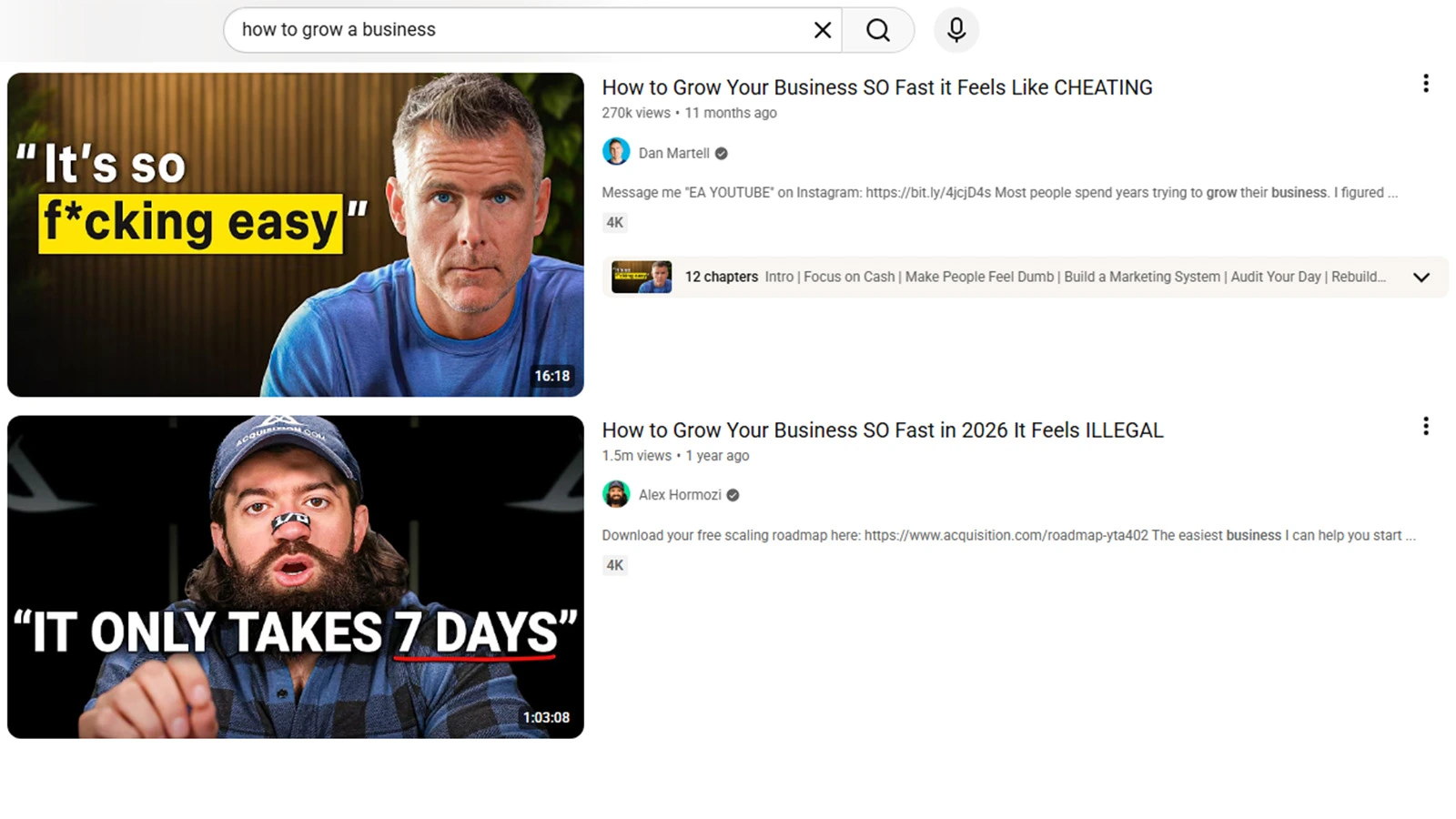
YouTube search
YouTube search works like any search engine. Someone types in a keyword or a question, and YouTube surfaces the most relevant results. Your title, description, and the content of your video all play a role in whether you appear.
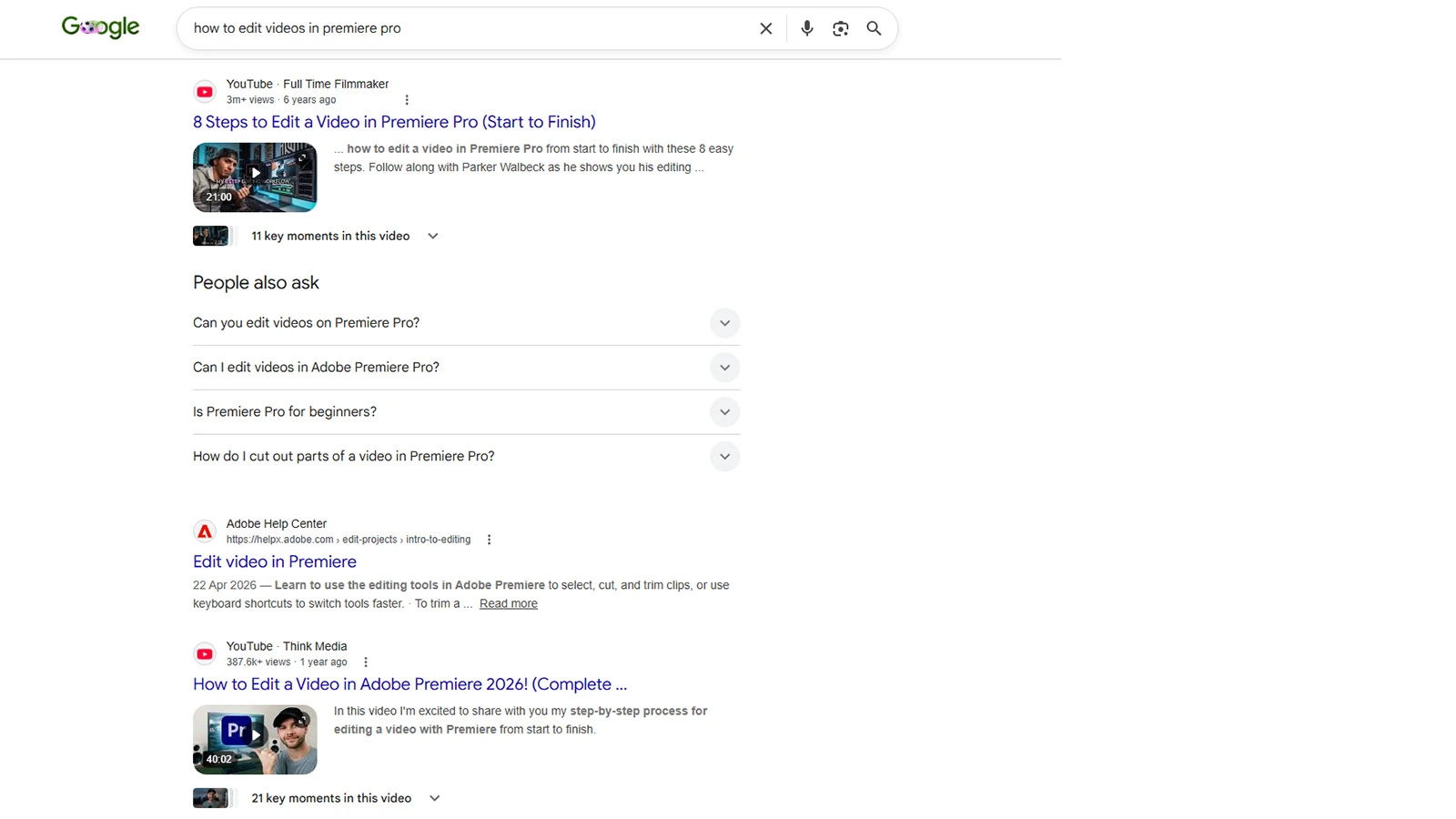
Google search is also worth factoring in. YouTube videos regularly appear in Google results, especially for how-to questions and evergreen topics, which means a well-optimised video can pull in views from outside YouTube entirely.
YouTube discovery
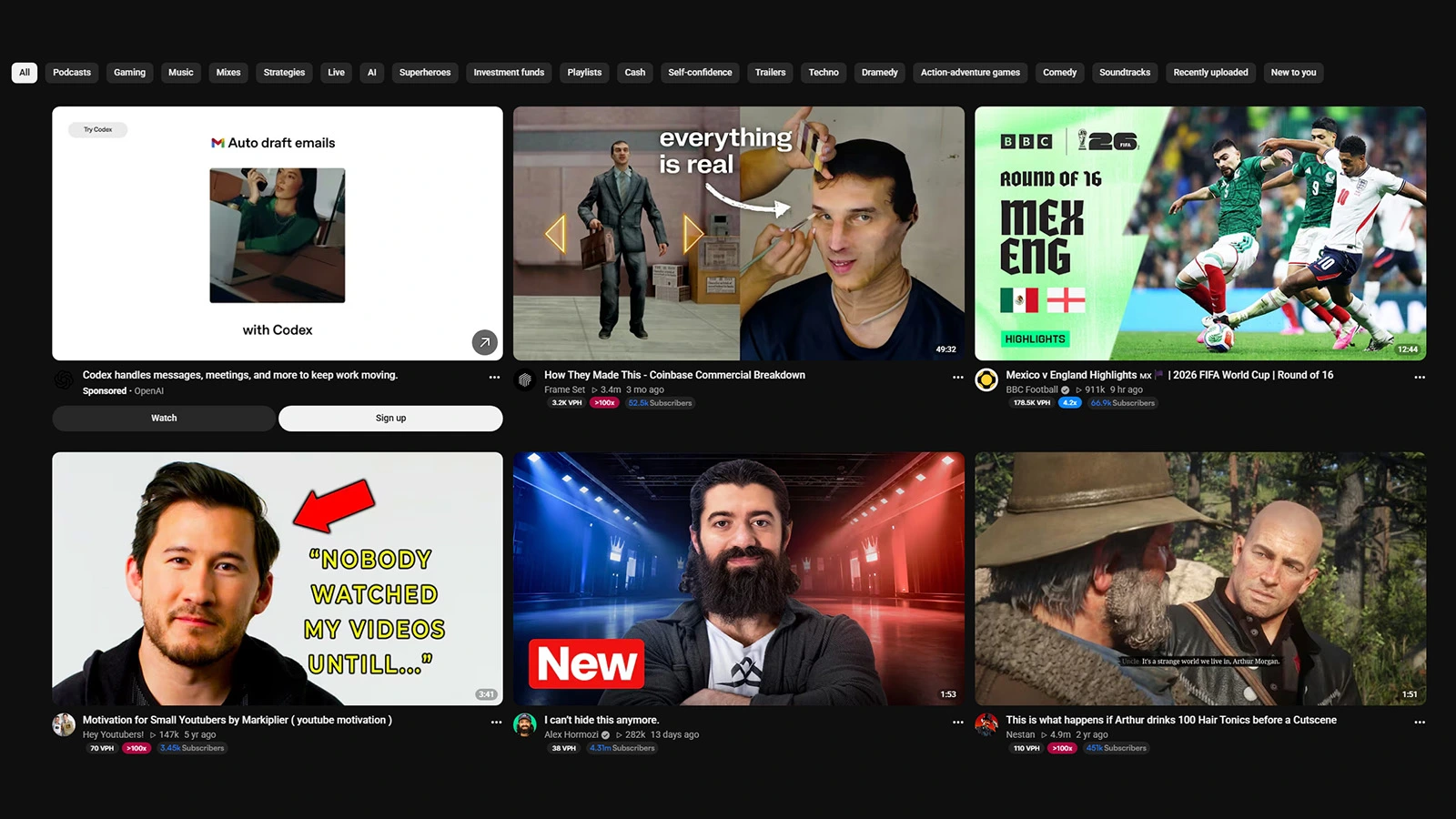
YouTube discovery covers everything the algorithm recommends without someone searching for it. The three main places this happens are the homepage, the suggested panel, and the Shorts feed.
The homepage is where YouTube pushes your video to viewers it thinks will enjoy it, even if they have never seen your channel before.
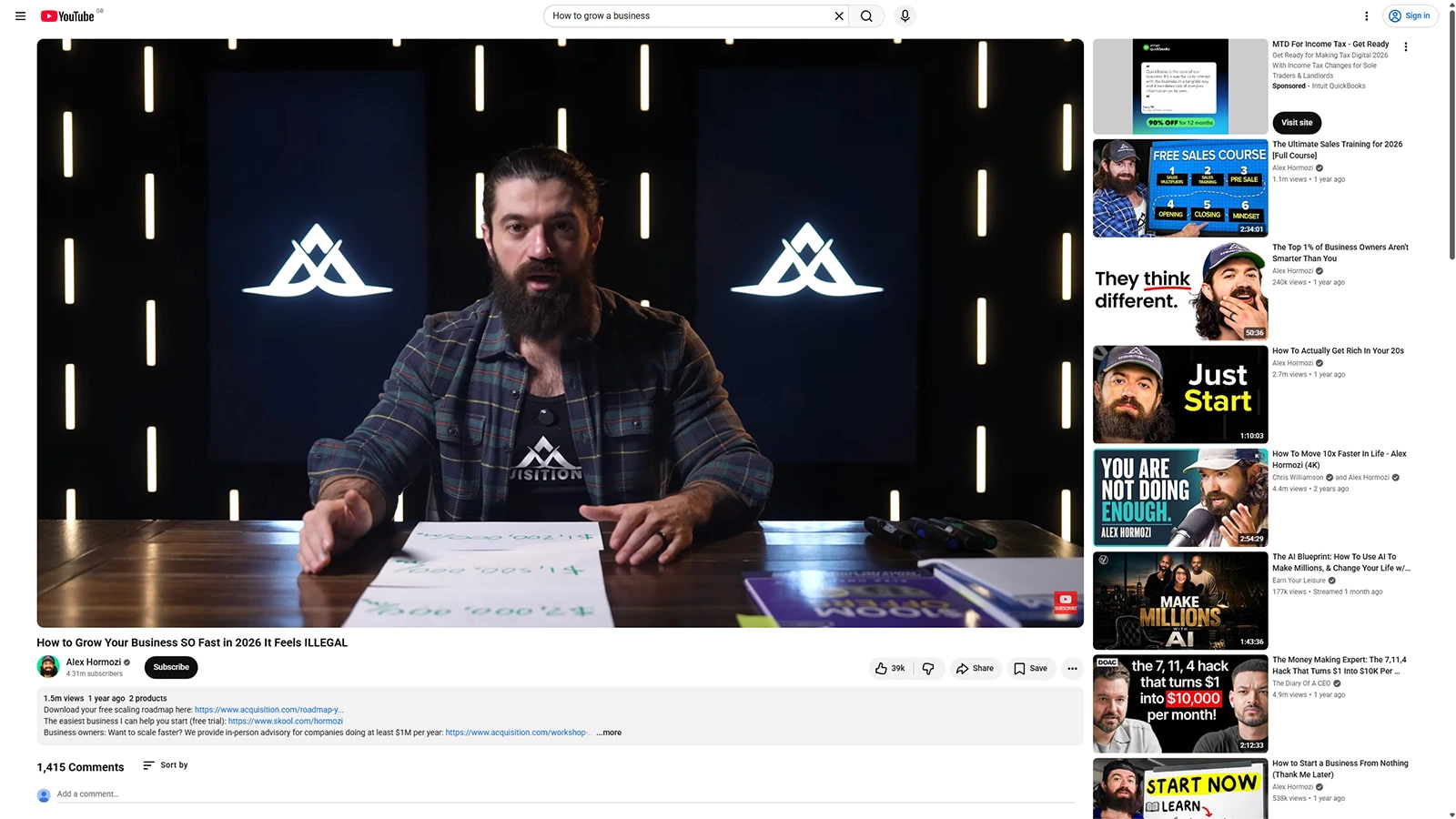
Suggested videos appear alongside or after a video someone is already watching. YouTube chooses what to show based on what the viewer just watched and their broader behaviour on the platform.
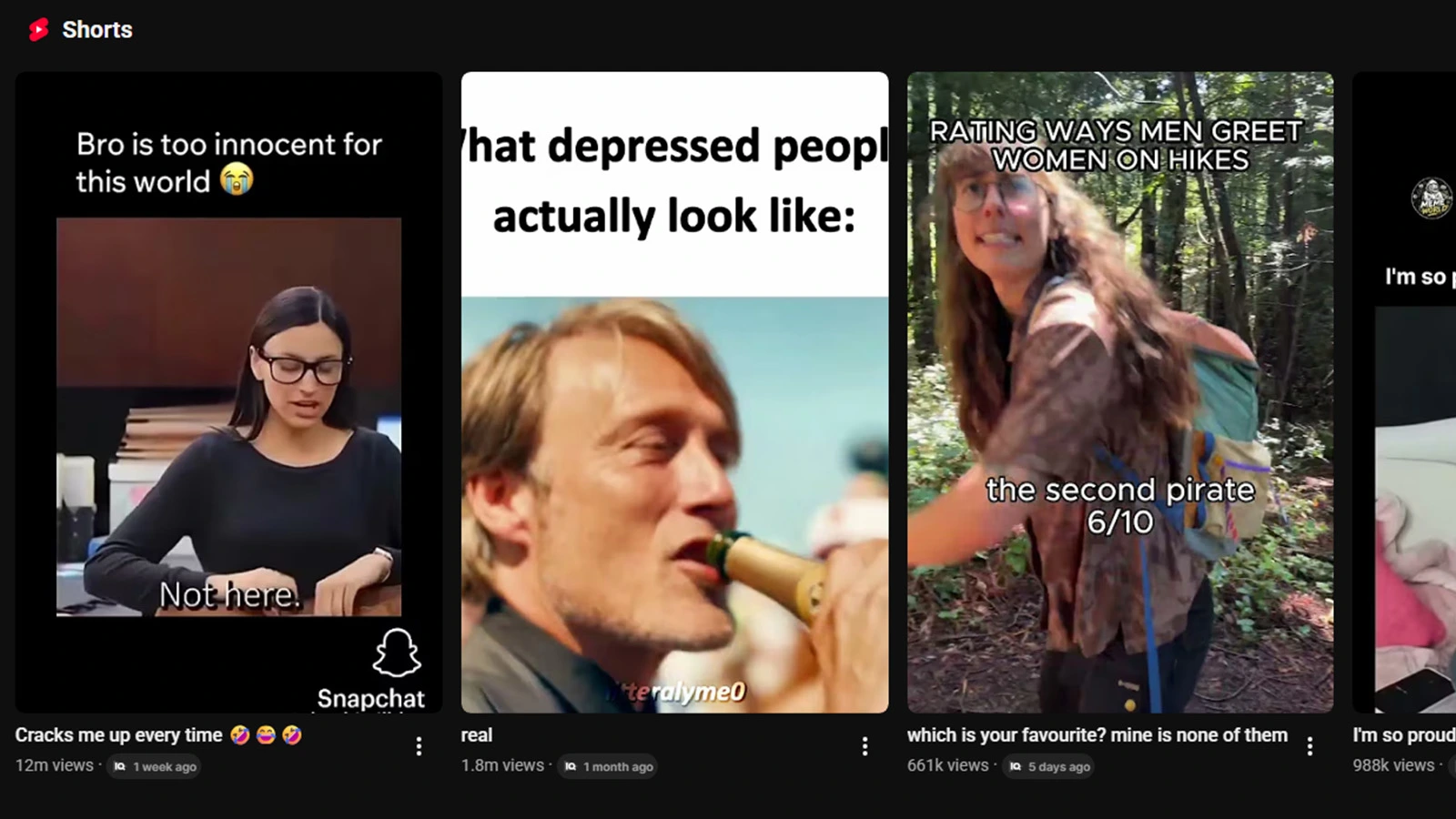
YouTube Shorts has its own separate recommendation feed. If you create short-form content, this is where discovery happens for that format.
The idea comes before everything else
This is the step most creators skip, and it is the one that matters most. The idea behind your video is around 80% of your success on YouTube. Getting this right before you film anything is the difference between a video that builds and one that sits.
Before you record, you need to decide who the video is for and whether it is better suited to search or discovery, because those two paths require a different approach.
For YouTube search: keyword research
If you are targeting search, you need to find terms people are actively typing in. Look for topics with solid search volume and low competition, especially when you are starting out.
There are a few things worth understanding when choosing keywords. Search volume tells you how many people are searching for that term. Competition shows how many other creators are making content around it. Volatility tells you how long ranked videos tend to stay in position: high volatility means a video can be replaced within 24 to 48 hours, while low volatility means a well-ranked video can hold its spot for years.
Targeting higher search volume with lower competition gives you the best chance of being found when you are just getting started. The keyword research tool inside Crescivo helps with this, grouping related keywords into clusters and showing you volume, competition, ranking probability, and volatility together so you can make an informed decision.
For YouTube discovery: ideas that reach more people
Discovery requires a different mindset. The idea needs to appeal to as many people in your audience as possible, and this is where a lot of creators get it wrong. They make their topic too specific, which shrinks their potential reach before the video even goes live.
Think of it this way: if your total potential audience is 1,000 people, YouTube cannot recommend your video to 1,001. The reach is capped by how broadly your idea applies. A short, punchy, enticing title that speaks to a wide slice of your audience will always outperform a hyper-specific one on the discovery side.
On the homepage especially, you are not competing with other creators in your niche. You are competing with everything your audience watches: Netflix, music videos, top creators they follow, trailers, and anything else that lands in their feed. Your video needs to be interesting enough to make them stop.
Impressions and click-through rate
Once YouTube starts sharing your content, you will see it show up in your analytics as impressions. An impression is counted every time someone sees your thumbnail, whether they click on it or not.
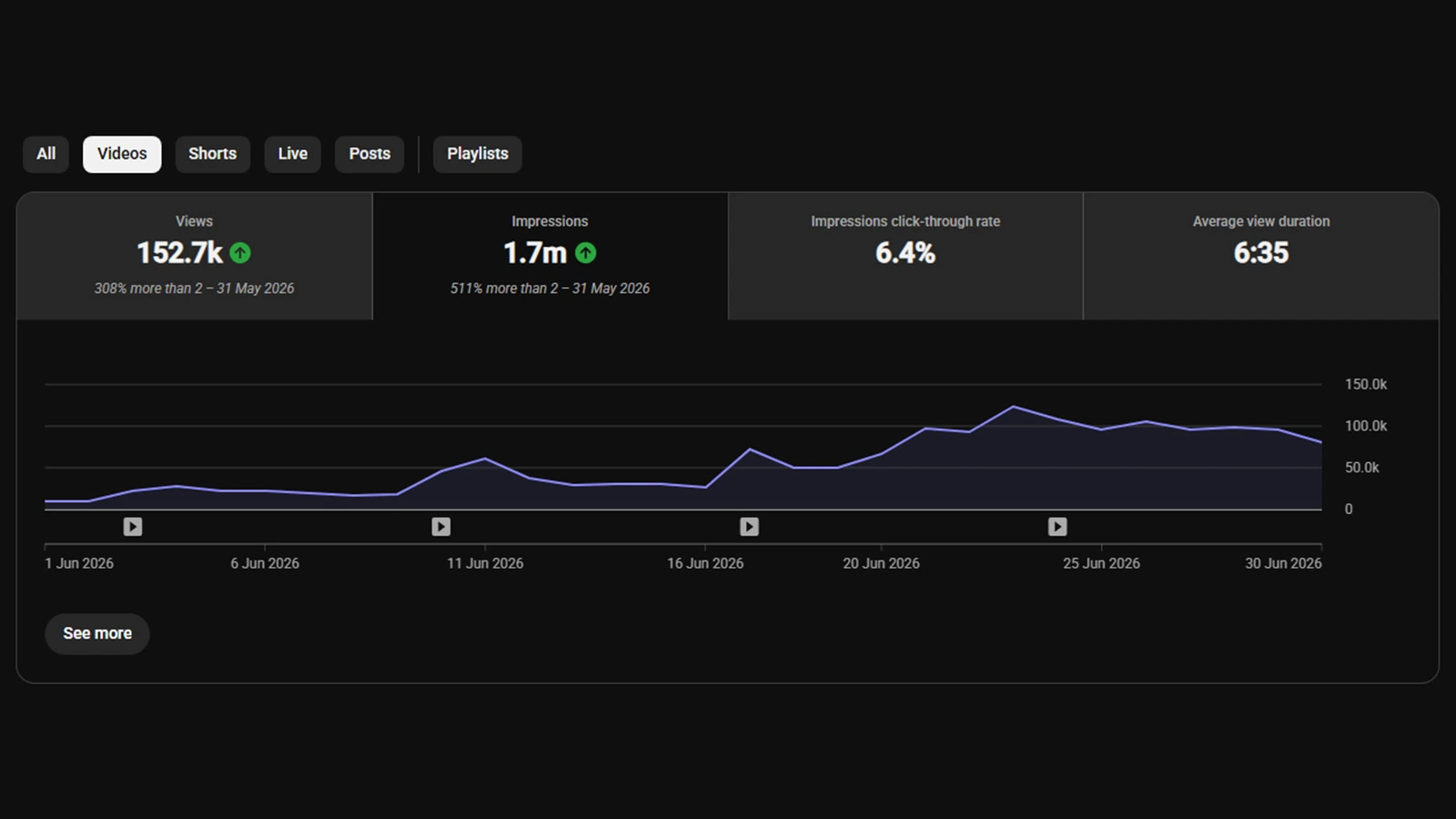
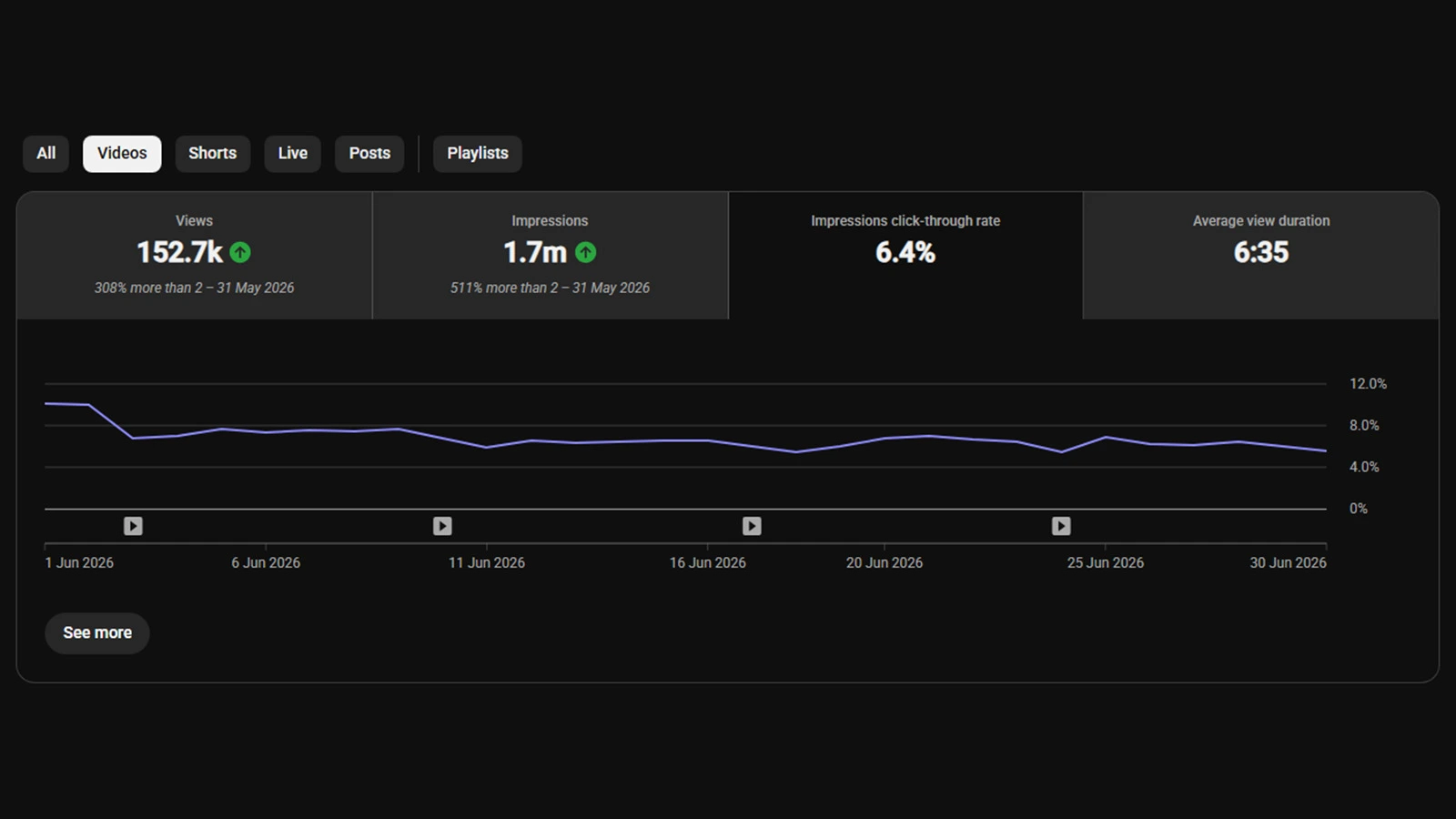
Once you have impressions, your click-through rate tells you how often people choose to click after seeing your thumbnail. High impressions with a low click-through rate means your packaging is not converting. Try swapping out the title first to see if things improve, and if not, look at the thumbnail next.
A/B testing: not for new channels
YouTube lets you run A/B tests on titles and thumbnails to find out which version performs better. For an established channel with decent volume, this is a genuinely useful tool.
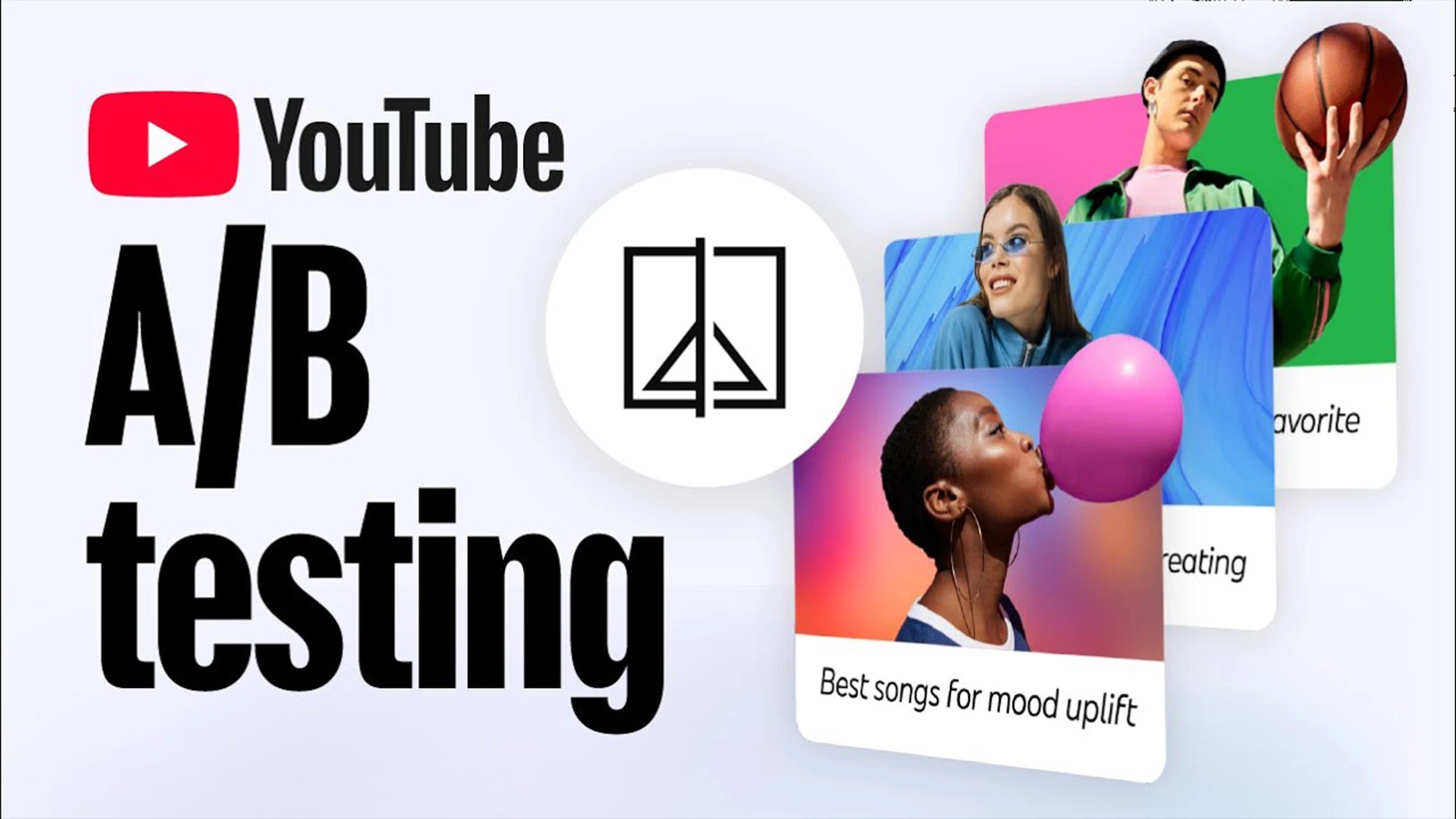
For a new channel, the data will not be clean enough to trust. You typically need between 5,000 and 10,000 views for a test to produce meaningful results, and if you are testing both a title and a thumbnail at the same time you need even more. When you are starting out, the focus should be on getting impressions and click-through rate working first. A/B testing becomes useful once you have the volume to support it.
How to turn views into your first 100 YouTube subscribers
Views get people to your video. Subscribers come from what happens while they are watching it.
The most reliable way to increase your subscriber rate is a clear call to action inside the video, placed at around the 30% mark rather than right at the start. By that point you have already given the viewer something valuable, and the reciprocity principle kicks in: they have received something, so they are more open to giving something back in the form of a subscribe. Wait too long and the moment passes. Too early and you have not earned it yet.
At the end of the video, use an end screen to direct viewers to your next video. Every additional video they watch from your channel increases the likelihood they subscribe.
One practical thing worth mentioning: the first subscriber is always the hardest. If you have a second account, using it to subscribe to your own channel removes that psychological barrier for the next person who comes along. It is a small thing, but it makes a real difference when you are sitting at zero.
Treat every video as an asset
Each video you publish should keep working after the upload day. The goal is evergreen content where views layer on top of each other over time, even if it is just a handful per day per video. Those numbers compound.
Growth on a new channel is rarely immediate because YouTube has no data on you at the start. It does not yet know who to recommend your content to. A video that barely moves at launch can suddenly pick up days, weeks, or even months later as you publish more content and the algorithm learns more about your audience.
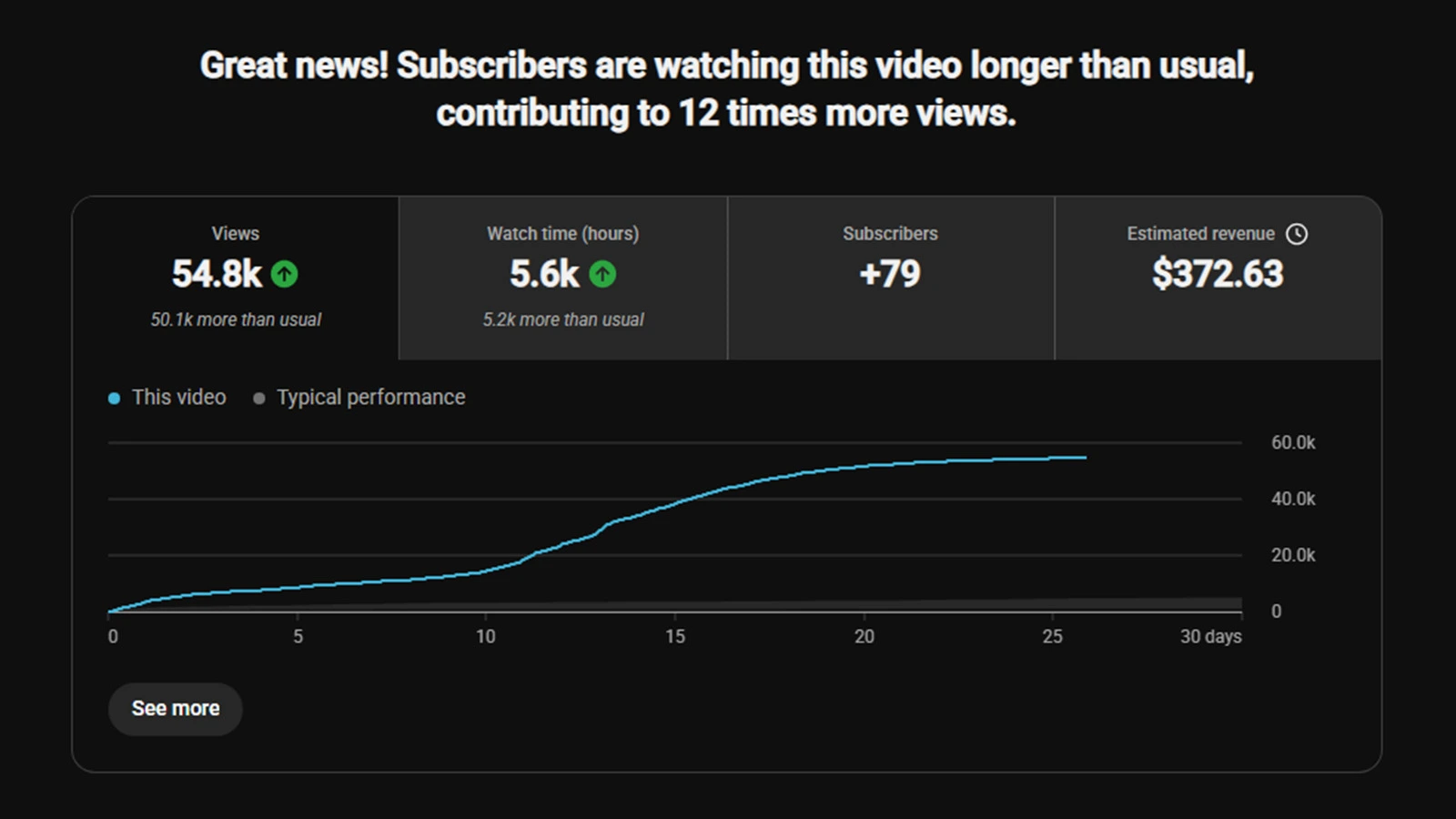
Channels we have worked with have seen their very first upload gain tens of thousands of views months after it went live, simply because newer videos gave YouTube enough data to go back and recommend an older one. The patience required at the start is real, and it is worth building into how you think about publishing.
Find your YouTube bottleneck
Run the free Crescivo Bottleneck Calculator and find what to fix next.
Get Started FreeFAQ
How do I get my first YouTube subscriber?+
Focus on getting impressions first by publishing a video around a topic people are searching for or one with a broad, enticing idea for discovery. Make the title and thumbnail clear and clickable, and include a subscribe call to action at around the 30% mark of your video. The first subscriber is the hardest. It gets easier from there.
How long does it take to get 100 YouTube subscribers?+
It depends on how consistently you publish and how well your content matches what your audience is looking for. Some channels reach 100 in a few weeks. Others take a few months. The ones that get there fastest are the ones that focus on the idea before anything else and keep publishing consistently.
Should I focus on YouTube search or YouTube discovery?+
For most new channels, YouTube search is the more reliable starting point because it depends on people actively looking for your content rather than YouTube recommending it. Once you have more videos published and a clearer picture of your audience, targeting discovery becomes more effective.
What is a good click-through rate on YouTube?+
For YouTube search traffic, 6% or higher is a solid benchmark. For YouTube discovery traffic, 3% to 6% is typical. If your click-through rate is below those ranges, try testing a new title first, then look at the thumbnail if the title change does not move things.
When should I start A/B testing titles and thumbnails?+
Wait until a video has at least 5,000 to 10,000 views before running a meaningful test. Below that, the sample size is too small to draw reliable conclusions. Get impressions and a working click-through rate established first.
Why is my new YouTube channel not getting views?+
YouTube has no data on a new channel, so it takes time before it knows who to recommend your content to. A video that gets almost no traction at launch can pick up significantly days, weeks, or months later as you publish more and YouTube builds a better picture of your audience. Keep publishing and stay consistent.
What to do next
Pick one video idea, decide whether it fits search or discovery, and build everything around that. Then check your impressions and click-through rate after it goes live to find out which part of the process to improve next.
Find Your Biggest YouTube Bottleneck
Most creators guess what to fix. Run the free Channel Bottleneck Calculator and discover the one metric holding back your growth.
Run Free AnalysisRelated Articles
More guides to help you diagnose and improve your YouTube growth.
YouTube Strategy
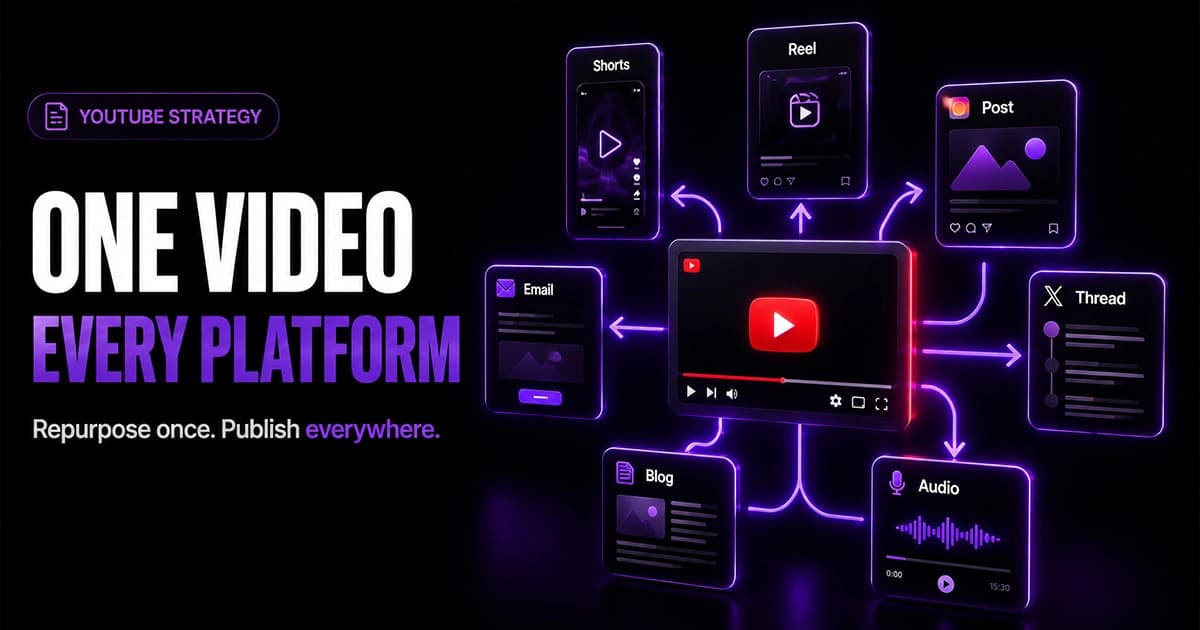
How to Turn One YouTube Video Into Content for Every Platform
YouTube is the hardest platform to create for, but it gives you the most leverage. Here is how to repurpose one YouTube video into content across every other platform.
YouTube Strategy
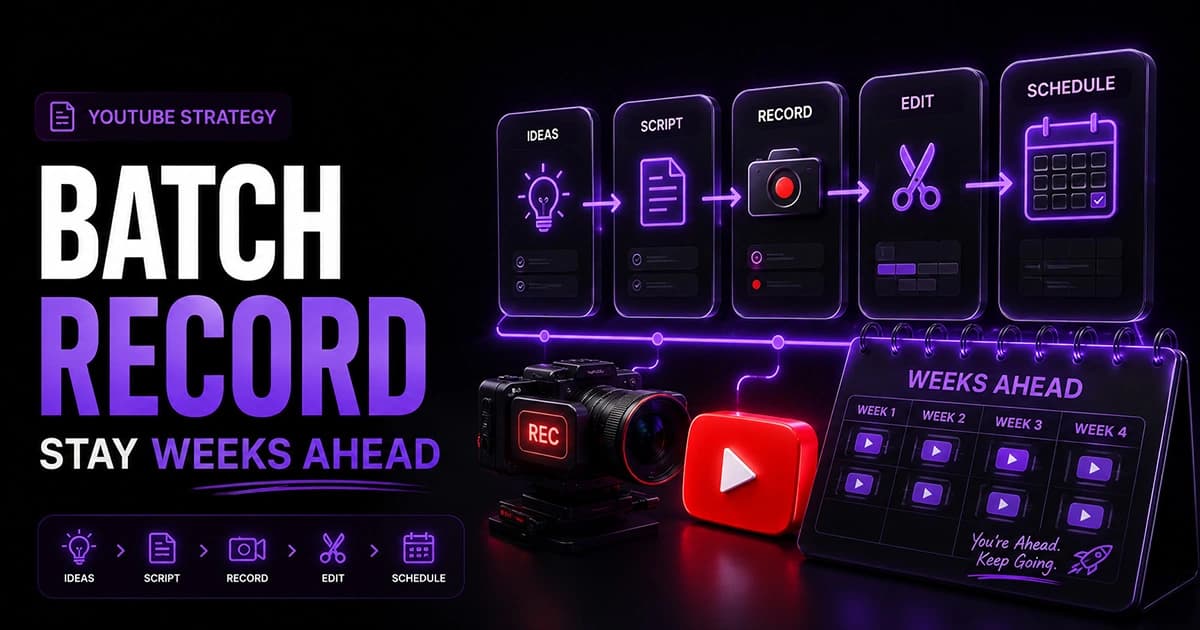
How to Batch Record YouTube Videos (And Stay Weeks Ahead)
Batch recording YouTube videos is not just about saving time. It is about removing the weekly grind. Here is the production system that keeps you consistently ahead.
YouTube Growth
Why Your YouTube Videos Are Not Getting Views
Learn why your YouTube videos are not getting views and how to find the real bottleneck. Fix impressions, CTR, or both to start growing your channel.
Find Your Biggest YouTube Bottleneck
Most creators guess what to fix. Run the free Channel Bottleneck Calculator and discover the one metric holding back your growth.
Run Free Analysis